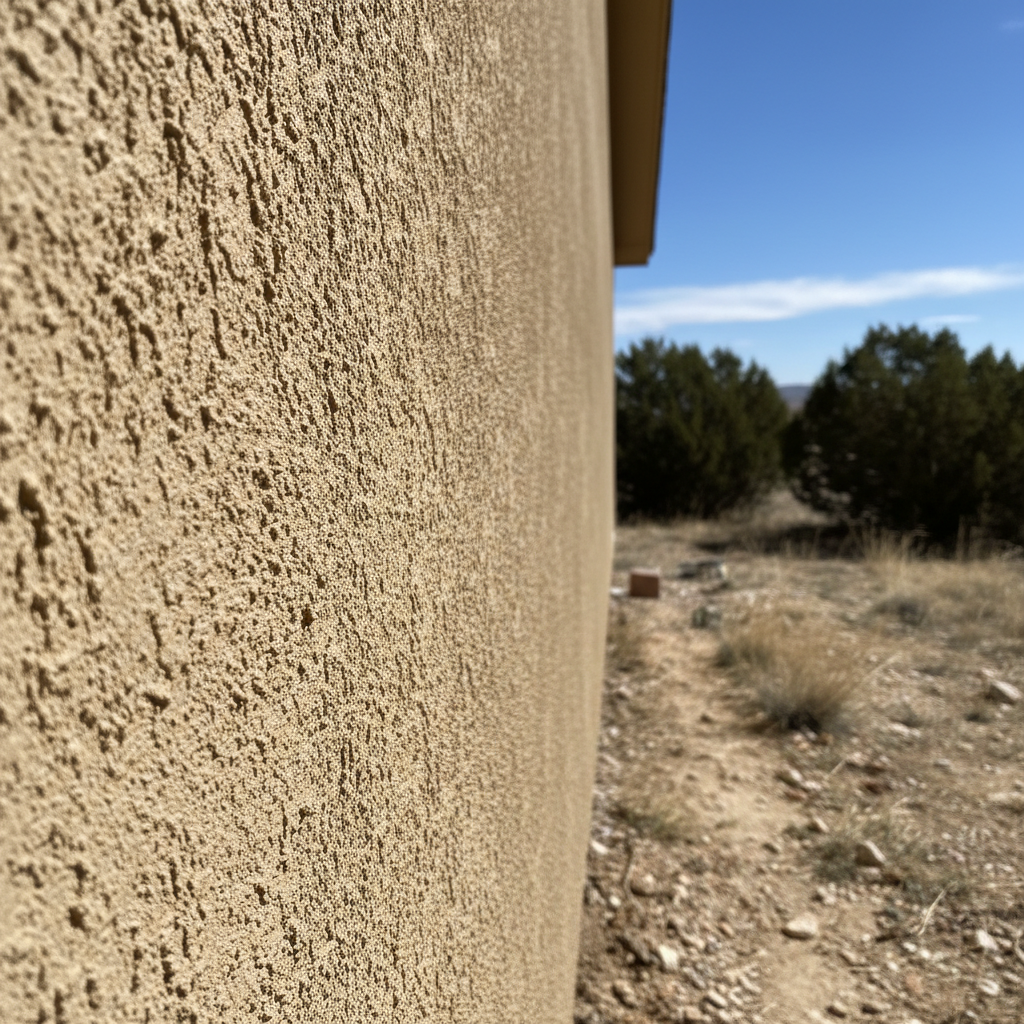
So, you're looking at your house. Maybe you're just tired of the stucco, or perhaps it's seen better days and you're finally ready for a change. Stucco removal isn't a small job, let's be honest. It's definitely one where you need to know what you're getting into before you swing that first hammer.
Before You Start: Planning and Prep
First off, why are you even taking it off? Is it damaged beyond repair, or are you simply going for a different look? Knowing your "why" helps you plan the "how." If your stucco is really failing – like if you've got big cracks or sections actually falling off – you might have underlying water damage. That's a whole different ballgame. Usually, it means you're going to need professional help to assess and fix whatever's underneath.
Before any demolition starts, you've got to protect everything around your house. We're talking about your landscaping, windows, doors, and even your neighbor's prize-winning roses if they're close enough. Stucco dust and debris get everywhere. And I mean *everywhere*. You'll need heavy-duty tarps, plastic sheeting, and plenty of painter's tape. Seriously, don't skimp here; cleaning up stucco dust from plants or a newly washed car is an absolute nightmare.
Next, think about what's underneath all that stucco. Most houses in South Jordan, especially those built in the 80s and 90s, have plywood or OSB sheathing. Underneath the stucco, you'll find a weather-resistant barrier (WRB), like tar paper or house wrap. Sometimes, you'll even find wire lath directly over the sheathing. Knowing this helps you anticipate the tools you'll need and how careful you have to be so you don't damage the underlying structure.
The Removal Process: DIY vs. Pro
Okay, let's talk about actually getting it off. Can you do it yourself? For small sections, absolutely. If you're just taking off a patch or a small wall, you can probably handle it. You'll need safety gear: heavy gloves, eye protection, a good dust mask (or even a respirator), and sturdy boots. Tools typically include a pry bar, a hammer, a shovel, and maybe a small sledgehammer for those tougher spots. Essentially, you chip away at the stucco, working in manageable sections.
Here's the catch, though: stucco is heavy. Really heavy. A typical square foot of stucco can weigh 8-10 pounds. If you're removing a whole side of a house, you're looking at thousands of pounds of material. Hauling that away is a huge job. You'll need a dumpster, and coordinating that delivery and pickup is another thing to consider.
When does it make sense to call in a pro? Pretty much any time you're doing more than a small wall. Whole-house stucco removal is a massive undertaking. Professionals have the right tools, like demolition hammers and specialized pry bars, and they know how to work efficiently and safely. They're also insured, which is a big deal if something goes wrong, like damaging a window or, worse, someone getting hurt. Plus, they handle the debris removal, which, trust me, is half the battle.
Another reason to call us at Allied Stucco Co. is the unexpected. We've seen it all. Sometimes you pull off the stucco and find rotten sheathing, compromised framing, or even old pest infestations. A pro can identify these issues quickly and advise on the best course of action. That could save you a lot of headaches and money down the road.
After the Stucco is Gone: What's Next?
Once the stucco is off, you're left with the bare sheathing and the weather barrier. This is a critical stage. You need to inspect everything thoroughly. Look for any signs of water damage, mold, or structural issues. If you find anything, you absolutely have to address it before you put up new siding. This is where a professional eye really helps. We can tell you if that discoloration is just an old water stain or active rot.
You'll also need to decide on your new exterior finish. Are you going with siding, brick, or something else? This decision impacts what needs to be done to the underlying wall structure. For instance, if you're going with new siding, you might need to install new house wrap and furring strips to create a rain screen. That's a smart move for moisture management, especially with our occasional heavy snow melts and spring rains here in South Jordan.
Don't leave the exposed sheathing for too long. It's not designed to be a permanent exterior, and it's vulnerable to the elements. Get your new weather barrier and siding up as soon as possible after removal to protect your home's integrity.
Ultimately, while a small stucco removal project might be doable for a handy homeowner, anything larger usually warrants bringing in the experts. It's about weighing the time, effort, safety risks, and potential hidden costs. Sometimes, paying a little more upfront for professional help saves you a whole lot of grief later on, doesn't it?