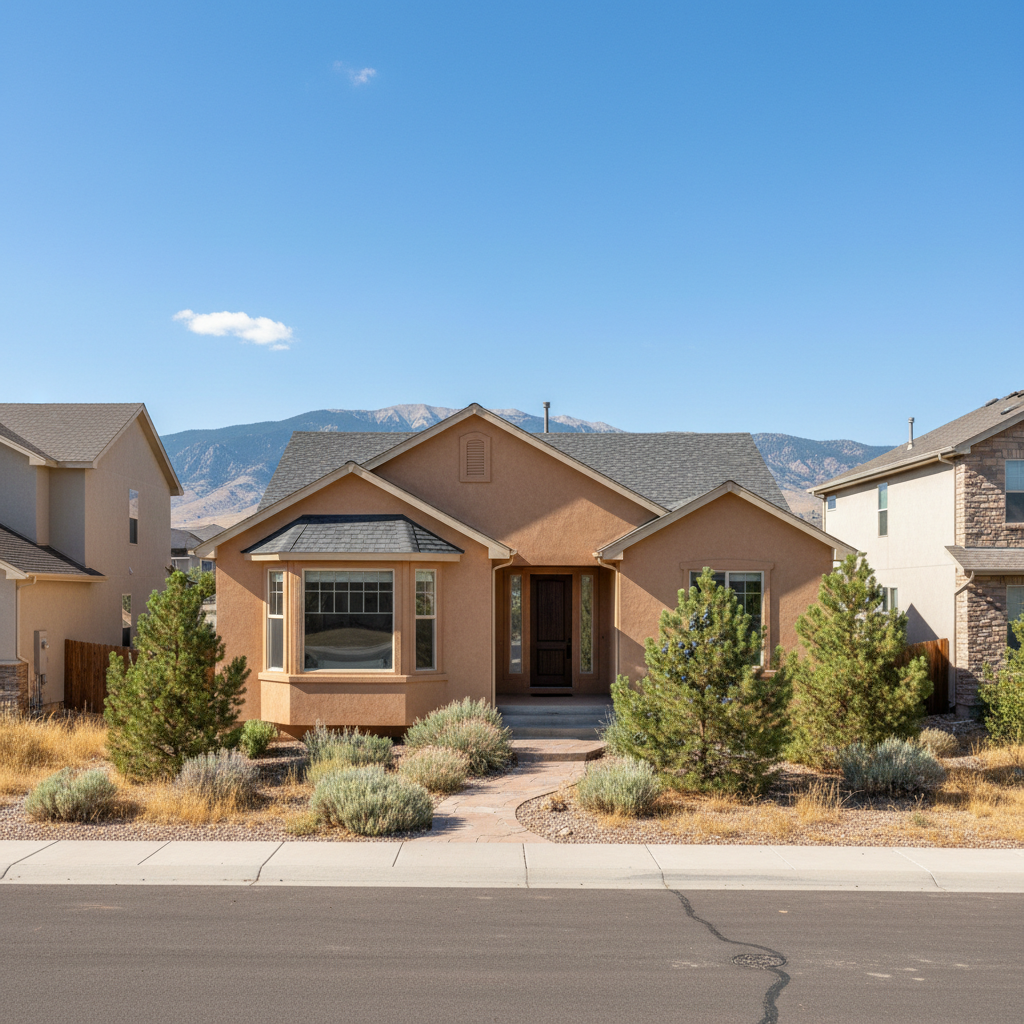
You've got stucco on your place, and chances are you really like how it looks. It's tough, helps with energy bills, and gives a house a real distinct vibe. But let's be honest, even the strongest stuff can take a beating, especially right here in South Jordan. I've been working on homes around here for years — from the older spots near Redwood Road to the brand-new builds in Daybreak — and I've seen firsthand what our local weather and ground conditions do to stucco.
Why Stucco Cracks Show Up Here
Cracks are probably the most common reason folks call me. Now, a tiny hairline crack or two isn't always the end of the world. Stucco is a rigid material, and houses settle over time, so you expect a bit of minor movement. But when those cracks start getting wider, or you notice a spiderweb pattern, or they're popping up around your windows and doors, that's when you really need to pay attention.
Our climate really plays a big part in this. We get these super hot, dry summers that can just bake the moisture right out of building materials, then cold winters with all those freeze-thaw cycles. That constant expanding and shrinking puts a lot of stress on your stucco. And think about the clay soils we've got in so many parts of South Jordan; they can expand and contract with moisture changes, meaning your home's foundation might shift ever so slightly. That movement travels right up to your walls, and stucco, being less flexible than, say, vinyl siding, will show those stresses as cracks.
Then there's the sun. Our intense UV exposure here in Utah can break down the top layers of stucco over time, making it more brittle and prone to cracking. I often spot this on south-facing walls that just get hammered by the sun all day long.
Water Intrusion: A Bigger Problem Than You'd Think
Cracks are one thing, but water, oh man, water is the real enemy of stucco. If water sneaks in behind your stucco, it can cause all sorts of headaches you might not even see until it's too late. I'm talking about wood rot in your sheathing, mold growing where it shouldn't, and even serious structural damage. It's not just about a leaky window anymore; it's about the integrity of your entire wall system.
So, how does water get in? Usually through cracks, sure, but also around poorly sealed windows, doors, and rooflines. Sometimes it's a flashing issue that wasn't done right when the house was first built. I've fixed plenty of homes where the original installation just didn't properly manage water, especially in some of those earlier developments where things went up fast. You might notice dark streaks or stains on your stucco, bubbling, or even soft spots if you press on it. Those are all big red flags screaming for attention, wouldn't you agree?
Common Stucco Repair Projects We Handle
Here at Allied Stucco Co, we see all kinds of problems. Some of the most frequent repairs we tackle include:
- Crack Repair: From tiny hairline fixes to bigger, structural crack remediation, we make sure those openings are sealed up tight. We also make sure the repair blends in nicely.
- Moisture Damage Repair: This often means taking out the damaged sections of stucco, fixing the underlying water issue (like replacing rotted wood), and then putting new stucco back on. It's more involved, but absolutely vital for your home's health.
- Impact Damage: Kids with baseballs, accidental bumps from lawnmowers, or even hail storms can chip or dent stucco. We can patch those up so you won't even know they were there.
- Window and Door Flashing Issues: We often find that water problems really come from improper flashing around openings. We'll re-flash and seal these areas to stop future leaks.
- Stucco Patching and Blending: Matching existing stucco texture and color is an art, honestly. You don't want a repair that sticks out like a sore thumb. We take the extra time to get it right, making sure the repair looks like it was always part of the original wall.
Why Local Expertise Matters for Your South Jordan Home
You could call any stucco guy, but someone who really knows South Jordan specifically is going to understand the quirks of your home better. We know the common building methods used in different eras and neighborhoods here. We know about the soil conditions, the sun exposure, and the particular weather patterns that affect stucco in this valley.
When I come out to your place, I'm not just looking at the crack; I'm looking at the whole picture. Is it a foundation issue? Is it a flashing problem? Is it just old age? My team and I have seen these exact scenarios play out on homes just like yours, probably right down the street. We're not just patching things up; we're diagnosing and fixing the root cause so you don't have to call us back for the same problem a year later.
Don't let those small cracks or stains turn into major headaches. Getting them addressed early can save you a ton of money and stress down the line. Give us a call if you're seeing any of these issues. We're happy to come take a look and give you an honest assessment of what needs to be done.